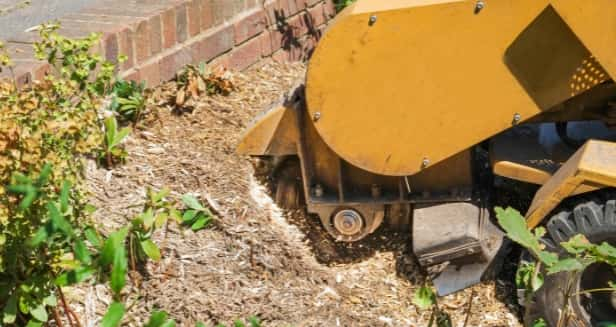
An old tree stump can seem like a minor obstacle when planning a new patio or lawn. However, building or laying turf around it may create an awkward layout and lead to problems as the remaining wood gradually decays.
Stump grinding removes the visible obstruction and reduces the stump below ground level, making it easier to prepare the area for its next use. For homeowners in Fordham, Cambridge, arranging this work before landscaping begins can help create a cleaner and more practical starting point.
Why Stump Grinding Should Come Before Landscaping
The requirements for a patio are different from those for a lawn, but both need properly prepared and stable ground. Dealing with the stump early allows the landscaping work to be planned around the true condition of the site.
A Stump Restricts the Available Layout
Leaving a stump in place forces patios, paths and lawn edges to be designed around it. This can create narrow sections, unusable corners or an irregular finish that does not suit the rest of the garden.
Grinding the stump opens the area and gives greater flexibility when deciding where new features should begin and end. It may also make the space easier to access and maintain.
Decaying Wood Can Affect the Ground
A stump left below or beside a new surface will continue to decompose. As the wood breaks down, the surrounding ground may settle or leave a depression.
This movement is particularly important when planning paving. A patio requires a stable and correctly prepared base, so covering a decaying stump without dealing with it first can compromise the ground beneath the new surface.
A New Patio Needs Proper Excavation
Professional patio installation normally involves excavating the area, preparing a suitable sub-base and establishing the correct levels. A large stump can obstruct this process and make even compaction difficult.
Grinding removes the main stump body and allows the area to be assessed more clearly. The remaining ground can then be excavated and prepared according to the needs of the proposed patio.
The required grinding depth should be discussed in advance, as ordinary clearance may differ from the preparation needed beneath substantial hard landscaping.
New Turf Needs Consistent Soil Conditions
Turf establishes best when it has firm, level and suitably prepared soil beneath it. Laying turf directly over a stump or filling only a shallow hollow can lead to an uneven lawn as the buried wood decays.
Grinding creates space for the area to be cleared and filled with appropriate soil. Careful preparation can then bring the ground to a consistent level before the turf is laid.
Stump Removal Makes Mowing Easier
A stump within a lawn interrupts mowing and can leave an untidy ring of longer grass around its base. Low stumps may also be difficult to see once surrounded by growth.
Grinding removes this obstruction and helps create a continuous lawn surface. The result is easier to mow and can be integrated more naturally with the rest of the garden.
Surface Roots May Also Need Attention
Stump grinding focuses primarily on the stump and its immediate base. Wider roots usually remain underground and decay naturally over time.
Before installing a patio, any significant roots within the proposed excavation area should be assessed. The landscaping contractor may need to remove roots that interfere with the sub-base or intended levels.
For lawns, raised surface roots may also require attention so that the finished ground can be levelled properly.
It Is Easier Before Other Work Begins
Grinding machinery needs a suitable route into the garden and enough working space around the stump. Access can become more difficult once new paving, turf, planting or edging has been installed.
Completing the grinding first reduces the likelihood of newly finished areas being disturbed. It also allows debris and grindings to be dealt with before the final landscaping work begins.
Grinding Depth Should Match the Plan
The future use of the area should be explained to the tree surgeon before work starts. A stump beneath a shallow planting bed may require a different approach from one positioned where a patio base will be constructed.
Important details include:
- the planned location of the patio or lawn
- the intended excavation depth
- the size and species of the stump
- visible surface roots
- access for machinery
- nearby walls, fencing or existing paving
- the final ground level
Coordinating these details helps ensure that the grinding work supports the landscaping plan.
The Grindings Must Be Managed Correctly
Stump grinding produces a mixture of wood fragments and soil. Some of this material may be useful as mulch, but it should not automatically be used as the main fill beneath new turf or paving.
Excess material may need to be removed before suitable soil or compactable aggregate is added. The correct reinstatement method depends on whether the area will become lawn, planting or hard landscaping.
Regrowth May Need Monitoring
Some tree species can produce new shoots from remaining roots. Grinding removes the stump but does not normally extract the entire root system.
A professional tree surgeon can assess the likelihood of regrowth and explain what to watch for after the work. Addressing new shoots promptly helps keep the area ready for landscaping.
Professional Planning Prevents Repeated Work
Grinding a stump after a patio or lawn has been installed can mean disturbing finished surfaces and repeating preparation work. Completing it at the beginning creates a logical sequence:
- assess the stump and future layout
- grind the stump to a suitable depth
- remove excess grindings
- prepare and reinstate the ground
- install the patio or lay the turf
This approach helps the tree surgery and landscaping stages work together rather than conflict.
Conclusion
Stump grinding should be one of the first steps when an old stump occupies an area intended for a new patio or lawn. It removes the visible obstruction, improves access for ground preparation and reduces the likelihood of building over decaying wood.
If an unwanted stump is affecting your landscaping plans in Fordham, Cambridge, Fordham Tree Surgeons can assess its position and grind it to a depth suited to the proposed use of the area. Contact the team to arrange a professional stump assessment.
Call us on: 01206 581 299
Click here to find out more about Fordham Tree Surgeons
Click here to complete our contact form and see how we can help with your tree care needs.